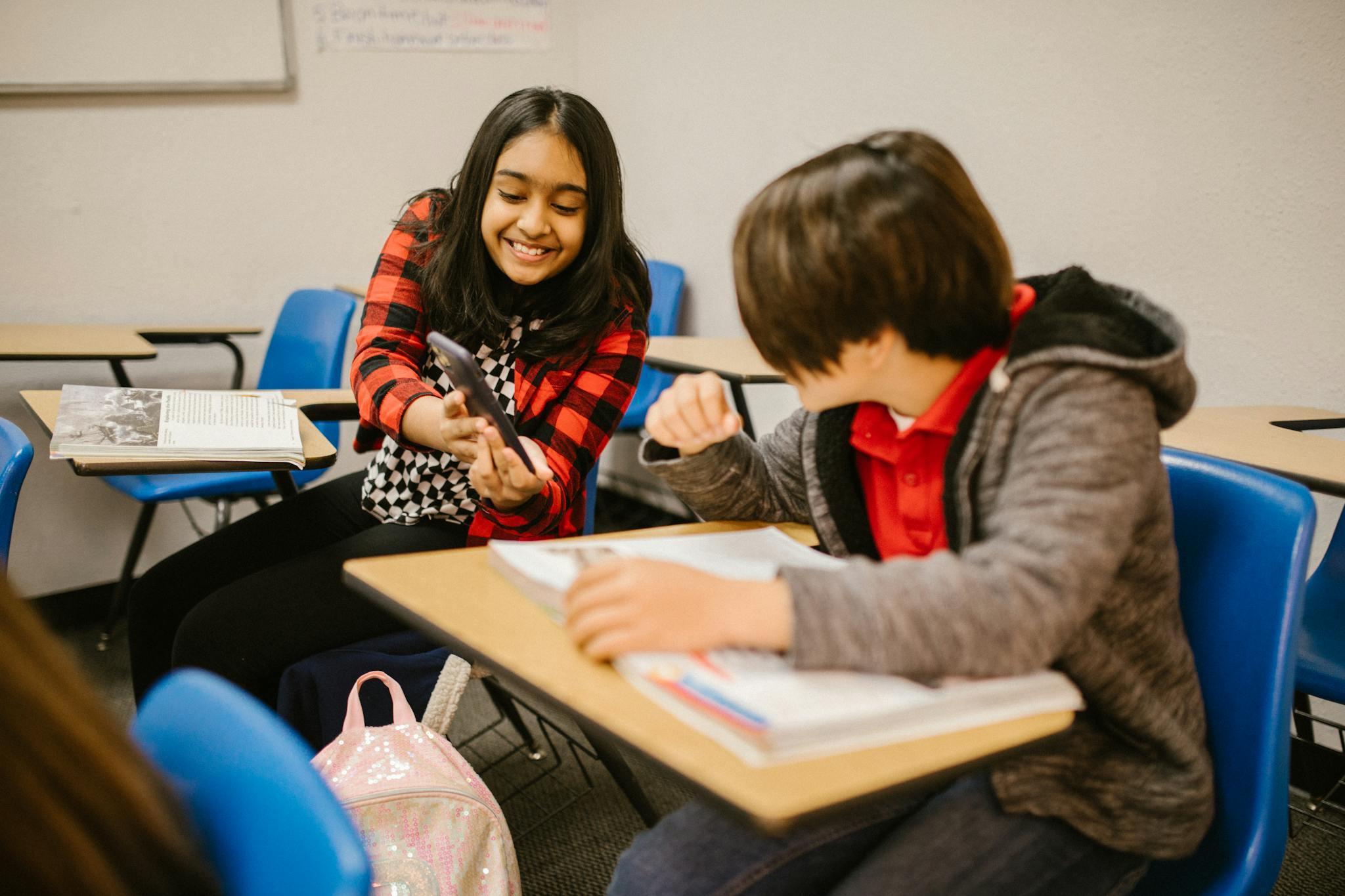
Different Types of Bullying
When most people hear the word “bullying,” they picture a playground fight or a child being teased in class. But bullying wears many faces, and some are so subtle that even parents or teachers may miss them. To truly stop bullying, we first need to recognise the many ways it happens.
Physical bullying is the easiest to spot. It includes hitting, kicking, pushing, tripping, or damaging someone’s belongings. The bruises might fade, but the fear and humiliation often stay. Victims may begin to feel unsafe even in public spaces, always on guard for what could happen next.
Then there’s verbal bullying, which uses words as weapons, insults, name-calling, threats, and cruel jokes. People often underestimate how deeply words can cut. The phrase “sticks and stones may break my bones, but words will never hurt me” couldn’t be further from the truth. Verbal bullying can shatter confidence, trigger anxiety, and make someone feel worthless, especially when it happens repeatedly.
Social or relational bullying is quieter, but just as painful. It happens when someone is purposely excluded, ignored, or made to feel like they don’t belong. For example, a group of friends might suddenly stop inviting one person to hang out, or spread rumours behind their back. This kind of bullying attacks a person’s need for acceptance and belonging, and the loneliness it creates can be crushing.
And then there’s cyberbullying, which has become one of the most dangerous and difficult forms to escape. It takes place online, through social media, messaging apps, or gaming platforms. A single hurtful post, an embarrassing photo, or a cruel comment can spread to hundreds of people within seconds. The worst part? Victims can’t escape it. The bullying follows them home, glowing on their phone screens, a constant reminder of their pain.
Each type of bullying causes harm, whether visible or invisible. That’s why awareness is so important. When parents, teachers, and students learn to spot these signs early, they can step in before the damage becomes permanent.
Recognising bullying is the first step. The next step is standing up against it, not by fighting hate with hate, but by replacing cruelty with empathy. Every time someone chooses to speak up, to include rather than exclude, or to defend someone alone, they help build a kinder world.
Post a comment