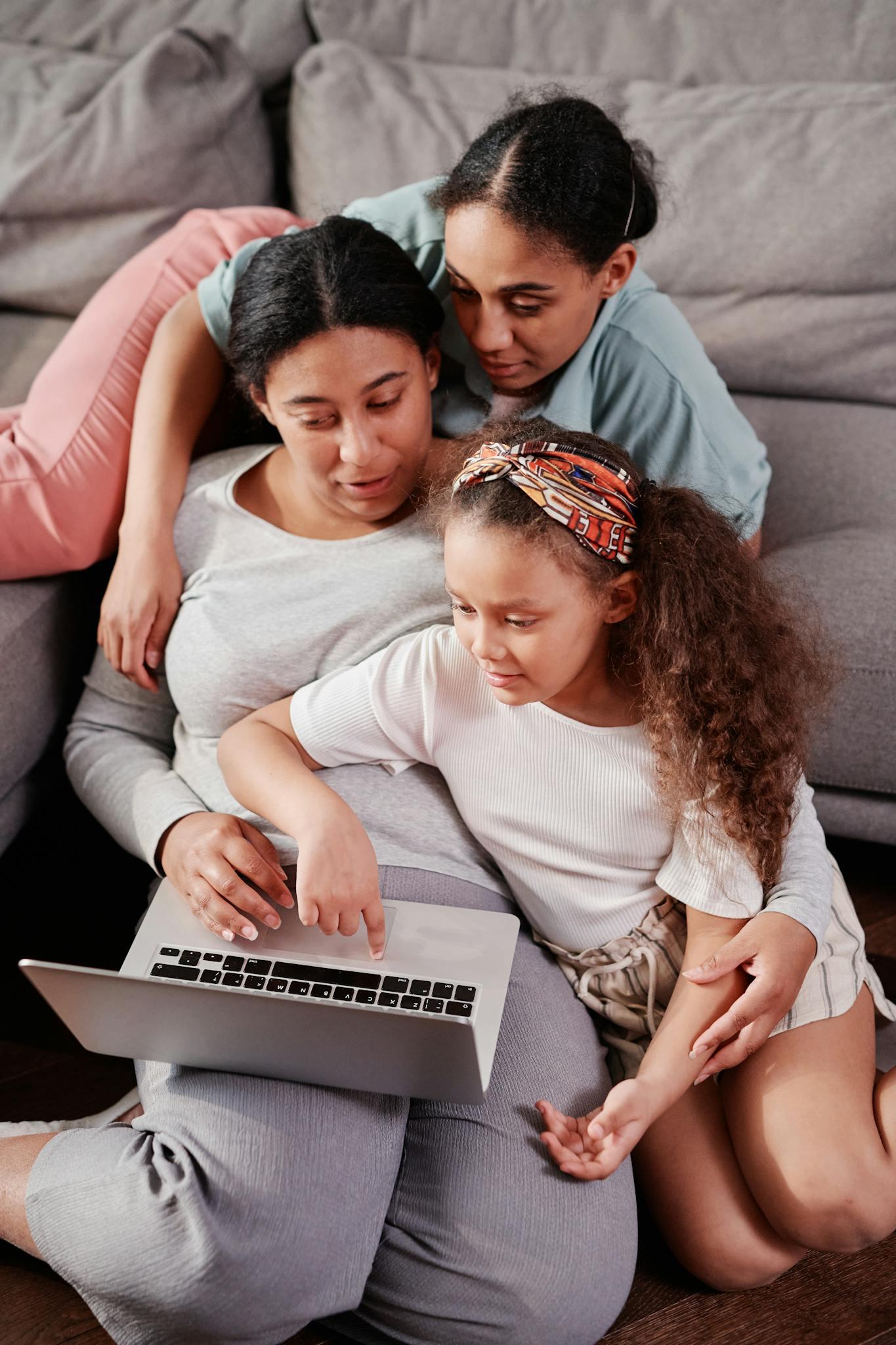
How to Prevent Bullying: It Starts from Home
When we talk about bullying, most people immediately think of schools , playground fights, cruel jokes, or online harassment among students. But the truth is, bullying often begins much earlier, in a place we don’t always expect: home. The values, emotions, and behaviours that children carry into the world start from what they learn and see within their own families.
Parents are a child’s first teachers. Long before teachers talk about kindness or empathy, children are already observing how adults around them speak, argue, and handle anger. When they grow up in homes where love, patience, and respect are shown, they’re more likely to become compassionate people. But when they’re constantly exposed to shouting, criticism, or emotional neglect, they begin to believe that cruelty and control are normal ways to deal with others.
Prevention begins with modelling. Children imitate what they see more than what they’re told. When parents treat others with kindness , even in stressful situations , they teach a silent but powerful lesson: that strength isn’t about dominance, it’s about self-control. On the other hand, when parents use threats, sarcasm, or belittling language, children absorb those patterns too. That’s how bullying behaviour takes root.
Empathy education starts at home as well. Parents can help children understand others’ emotions through small, simple moments , like asking, “How do you think your friend felt when that happened?” or “What can we do to make them feel better?” These conversations teach children that every action affects someone else’s feelings. When empathy becomes second nature, cruelty has less room to grow.
Open communication is another key. Many children who bully others do so because they don’t know how to express frustration or sadness in healthy ways. When parents create a safe space for honest feelings , without fear of being scolded or shamed , kids learn that it’s okay to talk instead of lash out. A parent who listens patiently, even when a child is angry or upset, teaches emotional regulation better than any lecture.
Discipline also plays an important role. Preventing bullying doesn’t mean letting bad behaviour slide; it means correcting it with understanding. Instead of harsh punishment, parents can use reflective questions like, “Why do you think that hurt your friend?” or “What could you do differently next time?” This helps children connect their actions with consequences, and most importantly, take responsibility.
It’s also crucial for parents to watch how they treat their own children. Constant criticism or comparison between siblings can breed insecurity and jealousy , two common emotions behind bullying behaviour. Every child needs to feel seen, valued, and loved for who they are. When they feel secure in themselves, they don’t need to put others down to feel strong.
Finally, preventing bullying at home means showing compassion every day , not in grand gestures, but in small, consistent acts. Saying “thank you,” apologising when wrong, and showing affection even after disagreements teach children the meaning of respect.
At the end of the day, bullying prevention isn’t about strict rules; it’s about nurturing hearts. When children grow up in homes filled with empathy, communication, and love, they learn that kindness is power , and cruelty never is.
Post a comment