What Schools and Parents Should Do
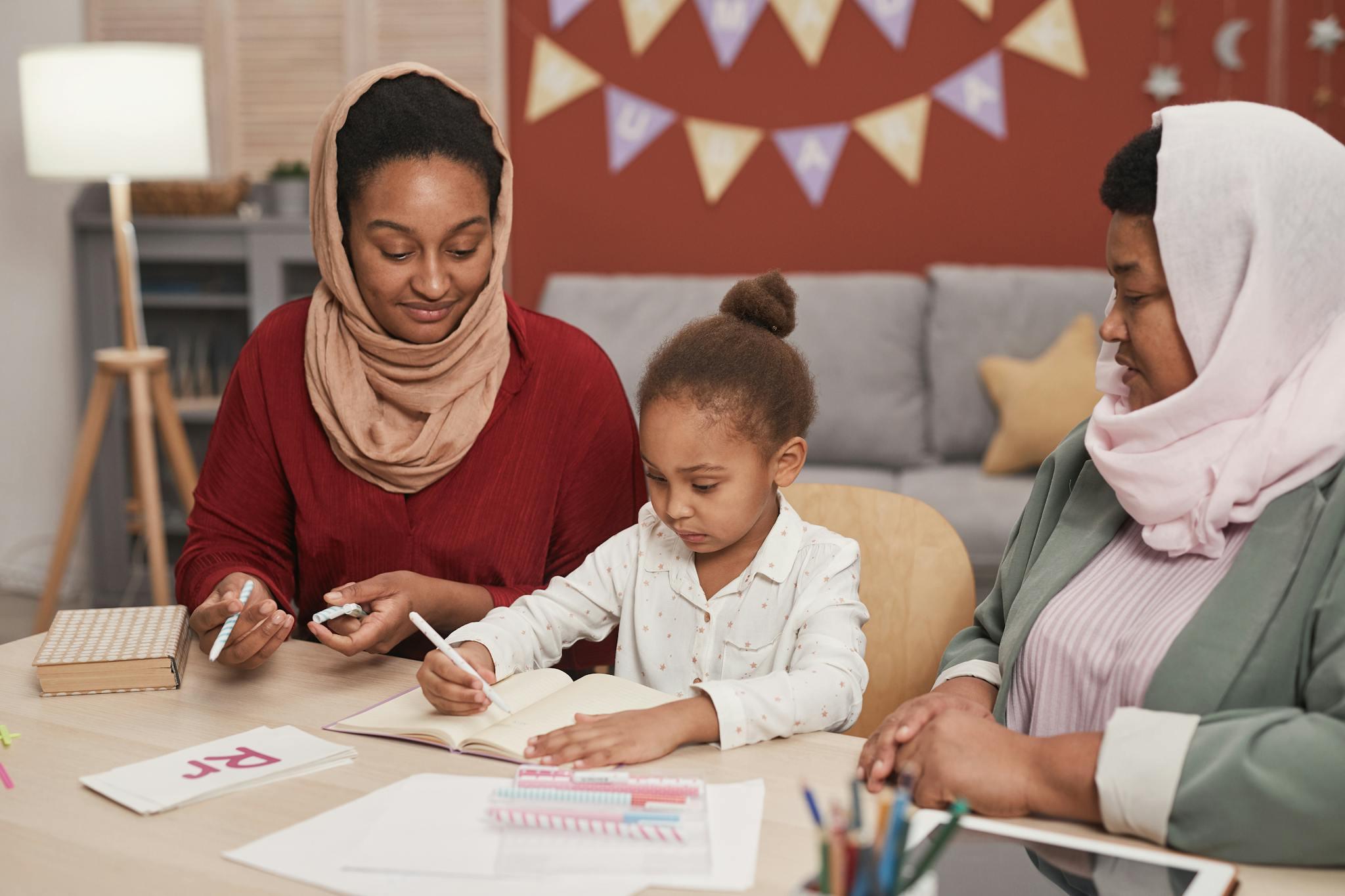
Stopping bullying isn’t the job of one person or one institution , it takes teamwork between schools and parents. When both sides communicate, share responsibility, and work together, children feel safer and more supported.
In schools, teachers are often the first to notice signs of bullying. But spotting it isn’t enough , the environment itself must discourage it. Schools should create a culture where respect, inclusion, and kindness are not just encouraged, but expected. This starts with teachers who model empathy and fairness in their classrooms. When students see adults treating everyone with dignity, they learn to do the same.
Teachers also need proper training. Bullying doesn’t always look obvious , it can hide in whispers, subtle exclusion, or online group chats. Educators who understand these hidden signs can step in early before the situation escalates. Simple actions, like checking in privately with students who seem withdrawn, can make a huge difference.
Beyond prevention, schools should focus on building empathy through activities and lessons. Group projects that require teamwork, classroom discussions about emotions, or literature that explores characters’ feelings can teach emotional intelligence naturally. Schools can also hold workshops where students share personal stories about kindness and inclusion , creating real connection.
But schools can’t do it alone. Parents are equally crucial. At home, they can reinforce what’s being taught at school. When parents talk to children about their day , not just grades, but friendships and feelings , they build emotional awareness. Questions like “Did anyone get left out today?” or “How did you make someone smile?” keep empathy at the center of daily life.
When bullying does happen, schools and parents must respond together, not with blame, but with support. Too often, parents are quick to defend or accuse without understanding the full story. Instead, both sides should focus on solutions: listening to the victim, addressing the bully’s behaviour, and making sure safety comes first.
Victims need reassurance that they’re not at fault, and bullies need guidance to understand the harm they’ve caused. Counselling and restorative programmes, where bullies learn to empathise and make amends, are far more effective than punishment alone.
Finally, both schools and parents should celebrate kindness. Highlighting good behaviour, helping a friend, standing up for others, and showing respect, reinforces what’s valued in the community. When compassion becomes something to be proud of, students begin to see it as a strength, not a weakness.
When home and school work together, bullying loses its power. Together, they can build an environment where every child feels seen, heard, and safe.
Post a comment