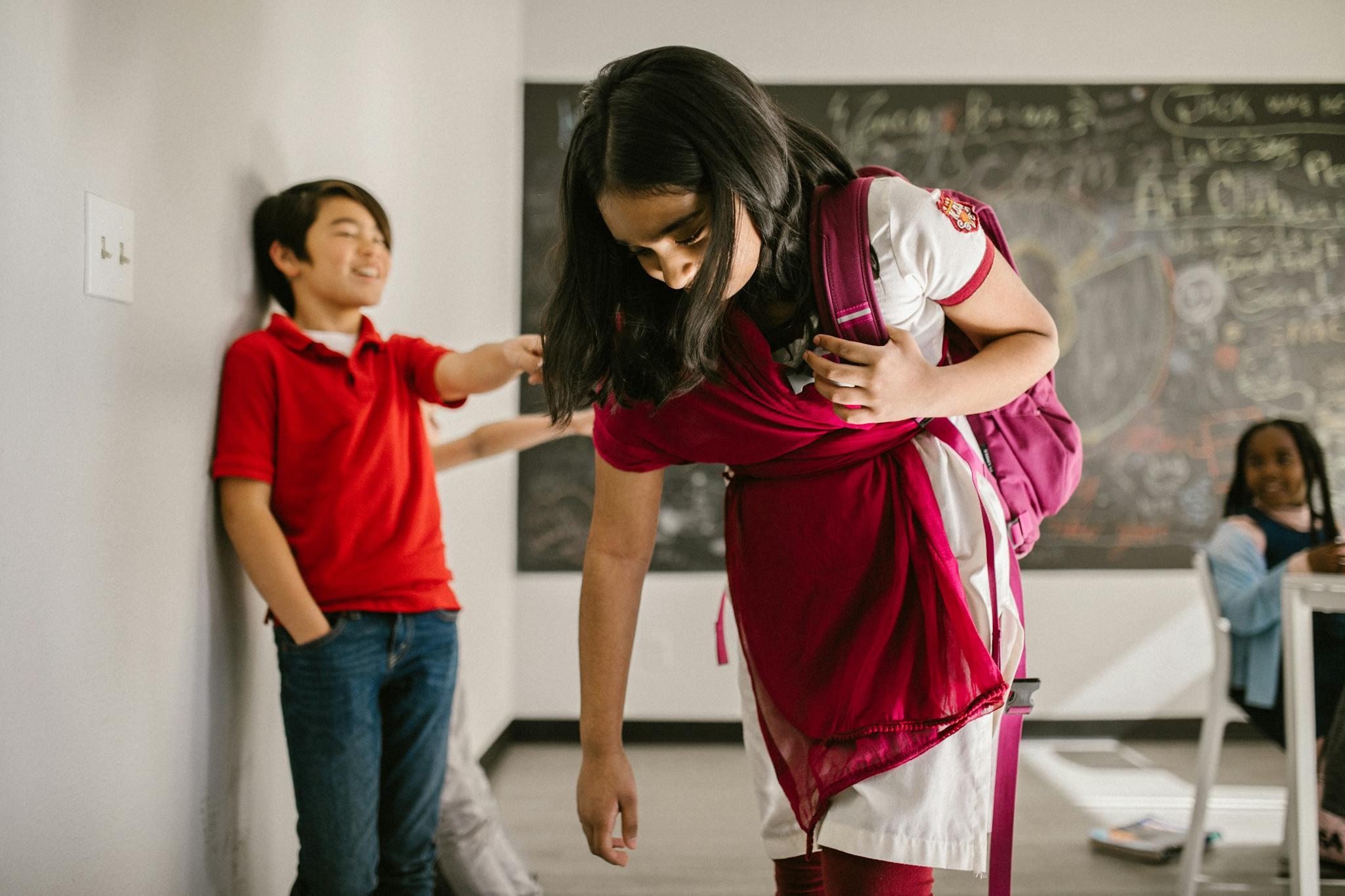
Who Is to Blame for Bullying?
When bullying happens, the first question people ask is, “Who’s to blame?” It’s natural , we want to point fingers, to find someone responsible for the pain. But the truth is, bullying isn’t the fault of one person alone. It’s the result of many small failures , at home, in school, and within society.
Of course, the bully must take responsibility for their actions. Choosing to hurt someone, whether physically or emotionally, is never justified. But to truly stop bullying, we need to look deeper into why that behaviour happens in the first place.
Many bullies are products of their environments. Some grow up witnessing aggression at home , shouting, insults, or violence. Others may have been victims themselves, using bullying as a way to regain control over their lives. Some simply crave attention because they feel invisible elsewhere. None of this excuses their actions, but it reminds us that bullying is often a symptom of pain, not just cruelty.
Schools also share some responsibility. When teachers ignore bullying or downplay it as “kids being kids,” they send a message that cruelty is acceptable. Inaction is a silent form of approval. Similarly, when schools fail to teach empathy or provide emotional support, they leave students unequipped to handle conflict in healthy ways.
Parents play a huge role too. Some unknowingly encourage bullying by failing to address aggressive behaviour early. Others dismiss it as harmless teasing. Children need guidance on how to handle emotions like anger and jealousy , without hurting others.
And then there’s society itself. In movies, games, and social media, power and dominance are often glorified. Kids see characters gaining respect through fear, not kindness. They absorb these messages without realising it, shaping how they think strength looks.
So who’s to blame? The answer is: all of us, in some way. Bullying continues because too many people stay silent or look away. But that also means the power to stop it lies with all of us. Parents can model empathy. Teachers can intervene early. Students can speak up. Society can glorify kindness instead of cruelty.
Blame divides , responsibility unites. And only by sharing that responsibility can we truly end bullying.
Post a comment